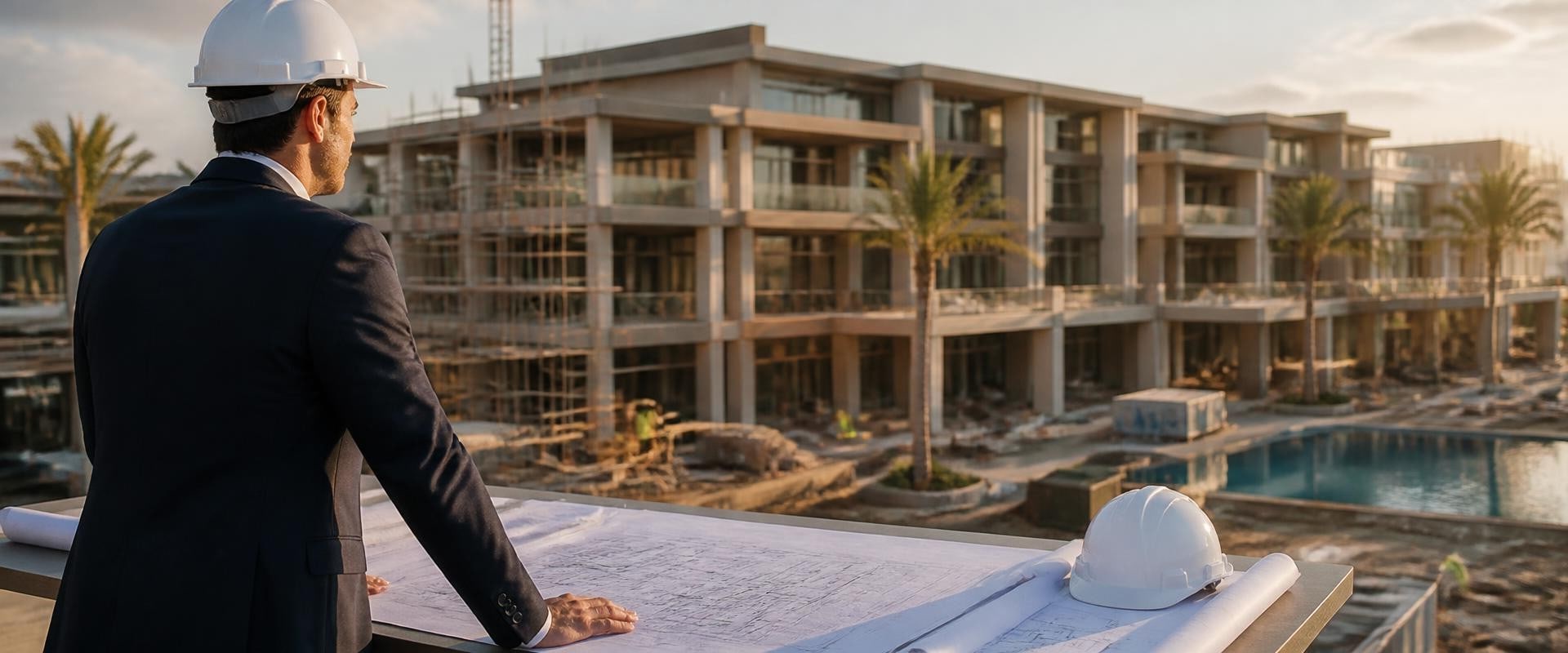
The world of hospitality investment is a dynamic and multifaceted arena that plays a crucial role in shaping the landscape of the travel and tourism industry. As global travel continues to rebound, understanding the intricacies of hospitality investment projects becomes increasingly important for investors, developers, and stakeholders alike. These projects not only contribute to economic growth but also enhance the guest experience through innovative designs and services. At its core, a hospitality investment project involves a series of well-defined phases, each with its own timeline and set of challenges. From initial concept development to the final opening of a hotel or resort, every stage requires careful planning and execution.
Investors must navigate through market research, site selection, financing, design, construction, and ultimately, operations. Each phase is interdependent, meaning that delays or changes in one area can significantly impact the overall timeline. As we delve deeper into the typical timeline for a hospitality investment project, it is essential to recognize that while some phases may be standardized, others can vary greatly depending on location, project scale, and market conditions. Understanding these nuances will not only help potential investors make informed decisions but also prepare them for the complexities involved in bringing a hospitality project to fruition.
Overview of Hospitality Investment
Hospitality investment refers to the allocation of capital into various sectors of the hospitality industry, which encompasses a wide range of services including accommodations, food and beverage, and entertainment. This type of investment is crucial for the development and enhancement of facilities that cater to travelers and locals alike.There are several types of hospitality investments that investors can consider:- Hotels and Resorts: These are perhaps the most recognized forms of hospitality investment, ranging from budget motels to luxury resorts.
Investors can either develop new properties or acquire existing ones.
- Restaurants: Investing in restaurants can be lucrative, whether through opening new establishments or purchasing franchises. The culinary experience is a significant draw for tourists and locals.
- Event Venues: Facilities that host conferences, weddings, and other events are essential in the hospitality sector. Investing in these venues can yield high returns, especially in popular tourist destinations.
- Travel Services: This includes investments in travel agencies, tour operators, and online booking platforms that facilitate travel arrangements for consumers.
- Diversification: Investing in hospitality allows for portfolio diversification, reducing overall risk.
- Steady Cash Flow: Well-managed properties can generate consistent income through room bookings, dining services, and event hosting.
- Appreciation Potential: Real estate in prime locations often appreciates over time, providing investors with significant returns on their initial investment.
- Economic Resilience: The hospitality industry often rebounds quickly after economic downturns, making it a relatively stable investment choice.
Phases of a Hospitality Investment Project
The phases of a hospitality investment project can be broadly categorized into four main stages: planning, financing, development, and operation. Each phase plays a crucial role in ensuring the success of the project and requires careful consideration and execution.1.Planning
The planning phase is foundational to any hospitality investment.It involves conducting market research to identify potential locations, understanding the competitive landscape, and defining the target audience. During this stage, investors will also assess the feasibility of the project by analyzing costs, potential returns, and regulatory requirements. A comprehensive business plan is developed, outlining the vision for the hotel or resort, including design concepts and service offerings.
2.Financing
Once the planning is complete, the next step is securing financing. This phase may involve a combination of equity investment and debt financing.Investors will need to present their business plan to potential lenders or partners to obtain the necessary funds. Understanding different financing options, such as traditional bank loans, private equity, or crowdfunding, is essential for navigating this stage effectively.
3.Development
The development phase encompasses the actual construction and implementation of the project. This includes hiring contractors, obtaining permits, and overseeing the construction process to ensure that it aligns with the original vision. During this stage, project managers must coordinate various stakeholders, including architects, engineers, and local authorities, to address any challenges that arise.4.Operation
After construction is completed, the project transitions into the operation phase.This involves launching marketing campaigns to attract guests and managing day-to-day operations to ensure a high level of service. Key performance indicators (KPIs) are monitored closely during this phase to assess profitability and guest satisfaction. Continuous improvement strategies are implemented based on feedback and market trends to enhance operational efficiency.Understanding these stages of hotel development is vital for investors looking to navigate the complex project lifecycle in hospitality. Each phase requires strategic planning and execution to maximize returns on investment and ensure long-term success in the competitive hospitality market.
Detailed Timeline for Each Phase
Understanding the hospitality project timeline is crucial for investors looking to navigate the complexities of hospitality investments.Each phase of a project has its own duration and key milestones that can significantly impact the overall timeline.
1.Pre-Development Phase (6-12 months)
- Market Research: Conducting thorough market analysis to identify demand, competition, and potential locations.
- Feasibility Study: Assessing financial viability and potential return on investment.
- Site Selection: Choosing the right location based on research findings.
2.Design and Planning Phase (12-24 months)
- Architectural Design: Collaborating with architects to create blueprints that meet both aesthetic and functional requirements.
- Permitting: Securing necessary permits and approvals from local authorities, which can vary in duration based on location.
- Financing: Finalizing funding arrangements, which may involve negotiations with banks or investors.
3.Construction Phase (12-36 months)
- Groundbreaking: Officially starting construction, often marked by a ceremony.
- Building Process: This phase includes site preparation, foundation work, and the actual construction of the hotel or facility.
- Inspections: Regular inspections are required to ensure compliance with safety and building codes.
4.Pre-Opening Phase (3-6 months)
- Staff Recruitment: Hiring and training staff to ensure they are ready for operations.
- Marketing Strategy: Implementing marketing campaigns to generate buzz before opening.
- Softer Openings: Conducting trial runs or soft openings to test operations before the grand opening.
Factors Influencing the Timeline of Hospitality Investments
The timeline for hospitality investments can be significantly influenced by a variety of factors. Understanding these elements is crucial for investors and developers aiming to navigate the complexities of the hospitality sector.- Market Conditions: The current state of the economy plays a pivotal role in determining how quickly a project can move forward. In times of economic growth, demand for new hotels and resorts may increase, leading to faster project initiation and completion.
Conversely, during economic downturns, financing may become scarce, causing delays.
- Regulatory Approvals: Obtaining the necessary permits and approvals from local authorities can be a lengthy process. Each jurisdiction has its own set of regulations that must be adhered to, which can lead to unforeseen delays. Investors should factor in the time required for zoning approvals, environmental assessments, and other regulatory hurdles.
- Financing Challenges: Securing funding is often one of the most significant hurdles in a hospitality investment project. Delays in financing can stall progress, especially if investors are relying on loans or partnerships that require extensive due diligence.
Fluctuations in interest rates can also impact the timeline, as higher rates may deter potential investors.
- Construction Delays: Once financing is secured and approvals are in place, construction can still face delays due to various factors such as labor shortages, supply chain issues, or adverse weather conditions. These delays can extend the overall timeline significantly.
- External Influences: Factors such as changes in consumer preferences, technological advancements, and competitive pressures can also affect timelines. For instance, if a new trend emerges that shifts consumer demand towards eco-friendly accommodations, developers may need to adjust their plans accordingly, which could lead to additional delays.
Case Studies: Successful Hospitality Investment Timelines
Understanding the timelines of successful hospitality investment projects can provide valuable insights for potential investors. Here are a few case studies that highlight effective strategies and the timeframes involved in bringing these projects to fruition.Case Study 1: The Urban Boutique Hotel
This project involved transforming an old warehouse into a chic boutique hotel in a bustling metropolitan area.The timeline for this investment was approximately 18 months:
- Feasibility Study: 2 months
- Design and Planning: 4 months
- Permitting and Approvals: 3 months
- Construction: 8 months
- Marketing and Pre-Opening: 1 month
Case Study 2: Coastal Resort Development
A luxury resort on the coast took a more extended approach, spanning over three years. The timeline included:- Market Research: 6 months
- Site Acquisition: 4 months
- Design Phase: 8 months
- Environmental Assessments: 6 months
- Construction: 18 months
- Soft Opening: 3 months prior to full launch
Case Study 3: Revamping an Existing Hotel Chain
A well-known hotel chain undertook a major renovation of several properties across the country. The overall timeline for this investment was about two years, broken down as follows:- Initial Assessment: 3 months
- Design and Branding Strategy: 5 months
- Renovation Phase: 12 months (staggered across locations)
- Marketing Campaign Launch: 2 months prior to completion
Common Challenges and Solutions in Hospitality Investment Timelines
Investing in the hospitality sector can be a lucrative venture, but it is not without its challenges.Understanding these challenges in hospitality investments is crucial for ensuring a smooth project timeline. One of the most common issues faced during hospitality investment projects is delays in construction. These delays can stem from various factors, including unforeseen site conditions, supply chain disruptions, or regulatory hurdles. To mitigate these risks, it is essential to conduct thorough due diligence before breaking ground. This includes comprehensive site assessments and engaging with local authorities early in the process to understand zoning laws and permit requirements. Another significant challenge is budget overruns.
As projects progress, unexpected costs can arise, leading to financial strain. To combat this, investors should establish a detailed budget that includes contingency funds for unforeseen expenses. Regular financial reviews throughout the project can also help identify potential issues before they escalate. Additionally, stakeholder management plays a critical role in maintaining timelines. Miscommunication among investors, contractors, and local communities can lead to delays.
Implementing a robust communication plan that includes regular updates and feedback loops can help keep all parties aligned and informed. To summarize, while the timeline for hospitality investment projects can be fraught with challenges, proactive strategies can significantly reduce the impact of these issues. By conducting thorough research, maintaining a flexible budget, and fostering open communication among stakeholders, investors can navigate the complexities of hospitality investments more effectively.
Future Trends in Hospitality Investment Timelines
As the hospitality industry continues to evolve, understanding the future trends in hospitality investment timelines is crucial for investors and developers alike. Several key factors are shaping these trends, including technological advancements, changing consumer preferences, and the increasing importance of sustainability.Technological Advancements
The integration of technology in hospitality is accelerating project timelines. Innovations such as artificial intelligence and big data analytics are enabling more efficient planning and execution of investment projects.For instance, AI can streamline the design process by predicting consumer behavior and preferences, allowing developers to tailor their offerings more effectively. Additionally, virtual reality (VR) tools are being used for immersive property tours, reducing the time needed for stakeholder approvals.
Changing Consumer Preferences
Today's travelers are increasingly seeking personalized experiences, which is influencing how hospitality investments are structured. Investors must now consider lifestyle-oriented developments that cater to niche markets, such as eco-friendly hotels or boutique accommodations. This shift can lead to longer planning phases as developers conduct thorough market research to align their projects with evolving consumer demands.Sustainability and Social Responsibility
The growing emphasis on sustainability is also impacting investment timelines.Projects that incorporate green building practices and sustainable operations may require additional time for compliance with environmental regulations and certifications. However, these investments often yield long-term benefits, including reduced operational costs and enhanced brand loyalty among environmentally conscious consumers.
Evolving Investment Strategies
Finally, the strategies employed by investors are adapting to these trends. Collaborative models that involve partnerships between developers, local governments, and community stakeholders are becoming more common. This collaborative approach can extend timelines due to the need for consensus but ultimately leads to more resilient and community-focused projects.In conclusion, while traditional timelines for hospitality investment projects may still apply, the future landscape is being reshaped by technology, consumer preferences, sustainability concerns, and evolving investment strategies.Stakeholders who stay ahead of these trends will be better positioned to navigate the complexities of future hospitality investments.
Conclusion: Key Takeaways on Hospitality Investment Timelines
In summary, understanding the typical timeline for a hospitality investment project is crucial for potential investors looking to navigate this complex landscape. The process can be broken down into several key phases, each with its own duration and significance.- Pre-Investment Phase: This initial stage often takes 3 to 6 months and involves market research, feasibility studies, and securing financing. Investors must conduct thorough due diligence to assess the viability of their project.
- Development Phase: Once the investment is secured, the development phase can last anywhere from 12 to 36 months. This includes site selection, design, obtaining permits, and construction.
Each of these steps is critical to ensuring that the project meets both regulatory standards and market demands.
- Operational Phase: After construction is complete, the operational phase begins. This phase can vary significantly in length but typically involves a ramp-up period of 6 to 12 months as the property establishes its brand and attracts guests.